


AUTOMATING A GATE YOU ALREADY HAVE

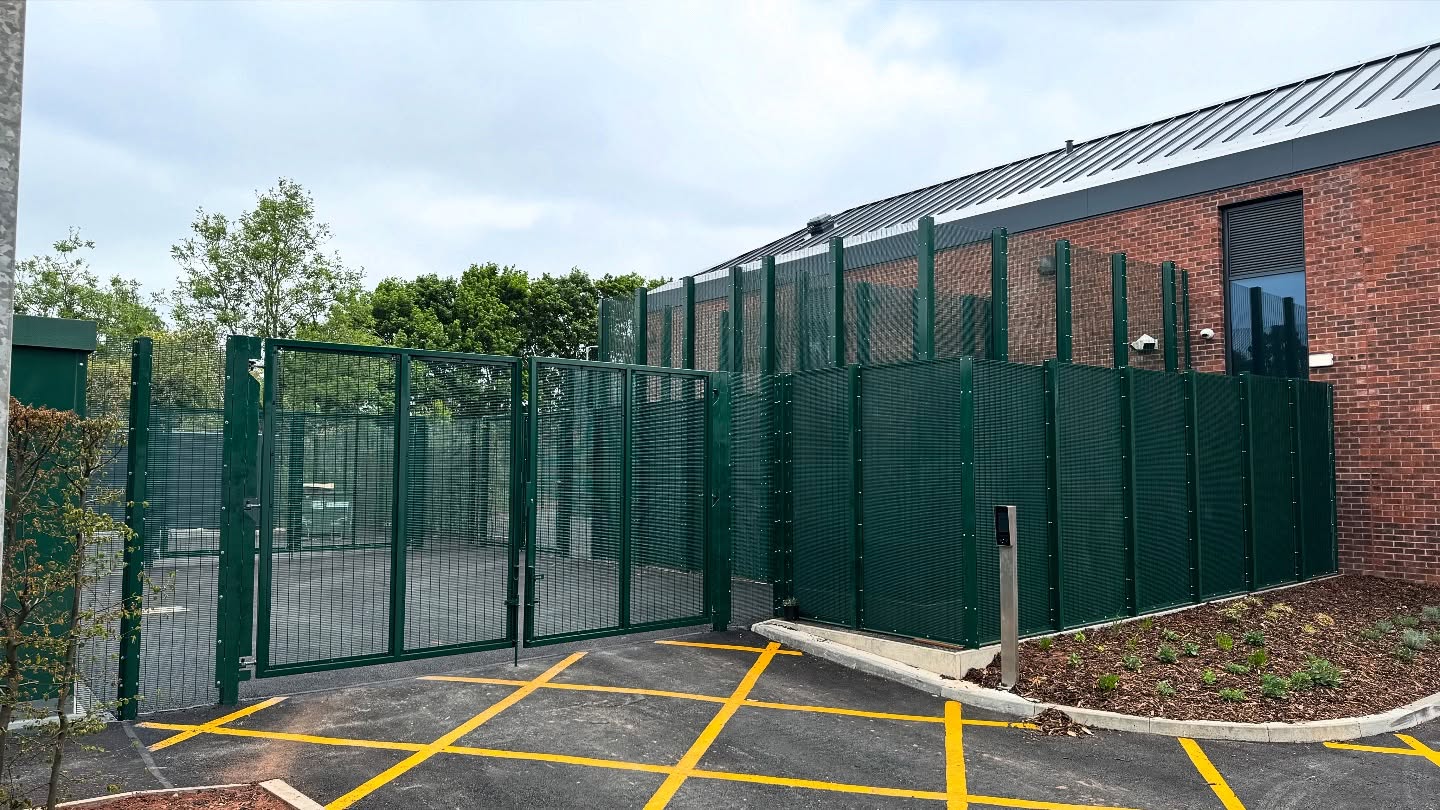
Plenty of gates can be automated without being replaced. Whether yours can depends on four things: how heavy it is, how well it is hung, whether the ground is level enough for the gate to swing or slide cleanly through its whole travel, and whether there is a safe route for power to reach it.

A tired gate on worn hinges will not become reliable once a motor is added. It will fail faster, because the motor removes the feedback a person gets from pushing a gate that is starting to drop. Where that is the case we will tell you, and quote for the repair or the replacement gate alongside the automation rather than automating a problem.

We also carry out general repairs and maintenance on gates and gate automation.

SLIDING AND CANTILEVER GATES

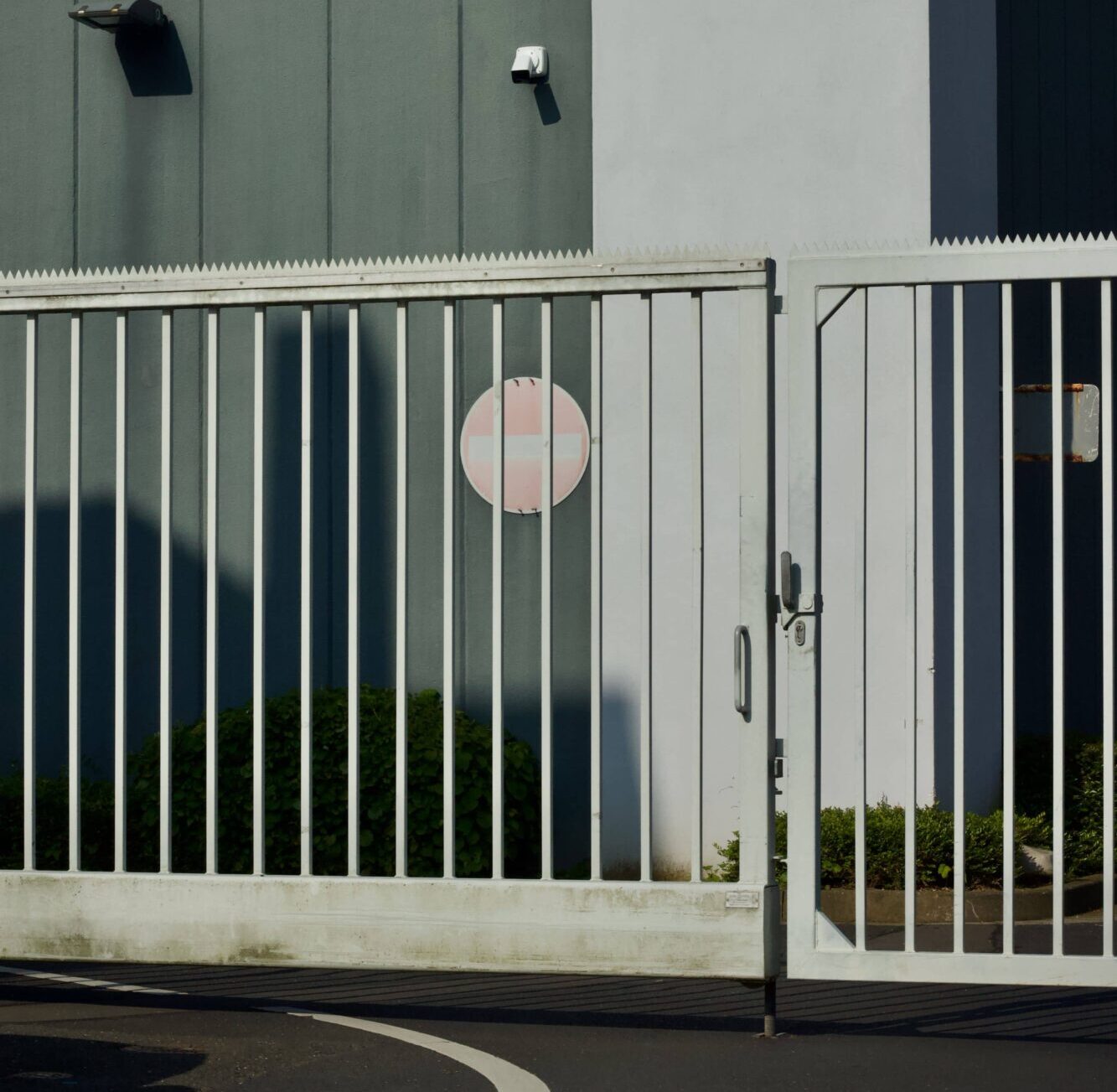
Where a driveway slopes, floods or is too short to swing a gate into, a sliding gate is usually the answer. Tracked sliding gates run on a rail set into the ground. Cantilever gates carry their own weight on rollers to one side and need no track across the opening, which suits busy yards and uneven or frequently resurfaced ground. Both can be built to span wide commercial entrances: at Monks Cross Retail Park in York we fabricated and installed a bespoke six metre cantilever sliding vehicle gate, automated and hardwired to a CE compliant access control unit. Read the case study.

SWING GATES

Swing gates suit level openings with room behind the gate line. They can be driven by above-ground arm or ram operators, which are simpler to service, or by underground operators, which keep the hardware out of sight. The choice comes down to leaf weight and width, how many times a day the gate will cycle, and how much you want to see.

ACCESS CONTROL

The gate is only half the decision. How people get through it is the other half: keypads, proximity fobs and cards, intercoms and video entry, vehicle loop detectors, timers and remote handsets. For sites that need to manage large numbers of people we use the Paxton Net2 system, as described on our school fencing page. Tell us who needs access, when, and who has to be able to revoke it, and we will specify around that.

TURNSTILES AND PEDESTRIAN ACCESS

Where people and vehicles have to share a single opening, a separate and controlled pedestrian route keeps them apart. Depending on the site that can be a turnstile, a controlled pedestrian gate, or both, tied into the same access control system as the vehicle gate so one credential works at every entry point.

SAFETY DEVICES

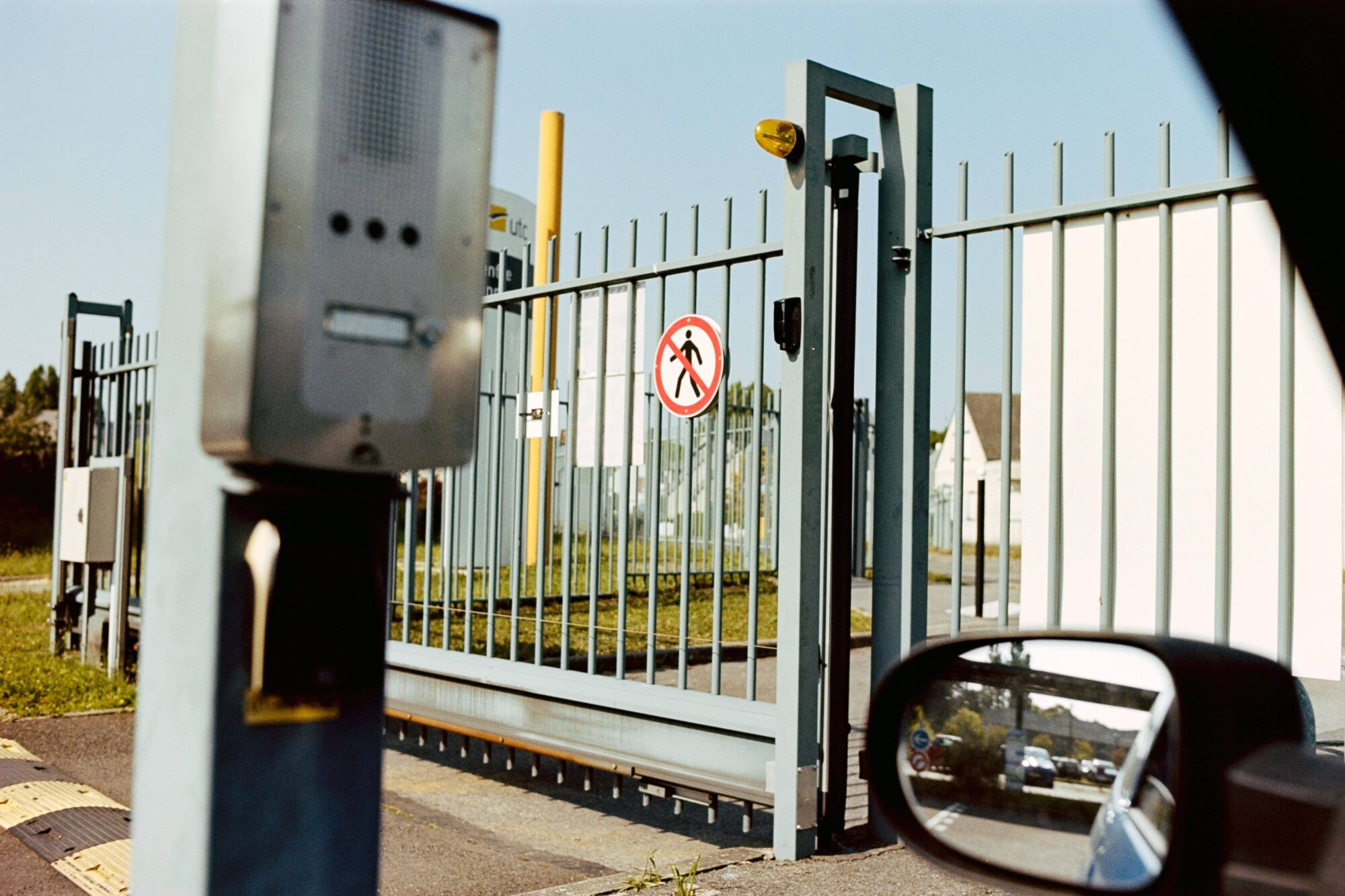
Powered gates are legally classed as machinery, and the safety devices are not accessories. Photocells detect anything in the gate’s path, safety edges stop the gate when they make contact, and warning lights tell people the gate is about to move. Which combination a gate needs comes out of the risk assessment for that particular opening, not from a standard package.

SERVICING, REPAIRS AND MAINTENANCE

An automated gate is the most heavily used piece of equipment on many sites, and the one most likely to be ignored until it stops. Hinges and rollers wear, safety devices drift out of alignment, and control settings get changed. We service, repair and maintain automated gates and their access control. Get in touch to talk about a maintenance visit.
GATE SAFETY IS A LEGAL REQUIREMENT, NOT AN UPGRADE

Once a gate is powered it stops being a gate and becomes a machine. In the UK, powered gates fall under the Supply of Machinery (Safety) Regulations 2008, which means the completed installation has to meet essential health and safety requirements, carry the correct conformity marking and be handed over with a declaration of conformity. The relevant standards for how a powered gate should behave in use are BS EN 12453, and BS EN 12978 for the safety devices themselves.

The risks are specific and easy to miss. A Health and Safety Executive safety alert issued after the death of a nine year old child at a set of powered gates identified the cause as a crushing zone between the gate frame and the brick pillar it was hung on, made worse by a pedestrian release button sited where someone outside could reach through the gap to press it. The motor’s obstacle sensing did not help, because the forces at that point on the gate were too high for it to detect.

That is why the survey matters more than the motor. Where the gate closes onto, what the gaps do as it travels, where the controls sit and who can reach them are all decided on site, before anything is ordered.

AUTOMATED GATES FOR EVERY KIND OF SITE

What an automated gate has to do changes completely depending on who is going through it.

  • Schools, colleges and councils. Managing the flow of people in and out at set times, keeping vehicles and pedestrians on separate routes, and controlling who holds a credential. See our school fencing page.
  • Commercial and industrial premises. Wide openings, heavy daily use, deliveries out of hours, and a gate that has to keep working in bad weather. See our commercial fencing page.
  • Construction and new build sites. Secure vehicle access that suits a changing site layout, alongside hoarding and temporary fencing.
  • Farms and land. Long or exposed runs, no mains power at the entrance, and gates wide enough for machinery. See our agricultural fencing page.
  • Homes and private driveways. Privacy, kerb appeal and a gate that matches the fencing either side of it.

To talk through which applies to you, get in touch with our team today.